
Traditional Model
- Staff chasing multiple suppliers
- Emergency refills at unpredictable cost
- Cylinders lost between wards
- Oxygen wastage nobody can quantify
- Purity varies by delivery
- Training happens ad-hoc, if at all
Managing oxygen shouldn’t distract your clinical team. We own, monitor, and guarantee your oxygen supply.
Partnership
A managed relationship, not a vendor contract.
A HealthPort team maps your facility’s real oxygen demand before anything is installed.
Cylinders, reticulation, oximeters, and gauges installed, owned, and maintained by HealthPort.
Every facility gets live monitoring and demand forecasting as standard, not an add-on.
If two or three of these sound familiar, we should talk.
Book an assessmentStories
From bedside access to ongoing support: five stories about the systems and people behind oxygen care.
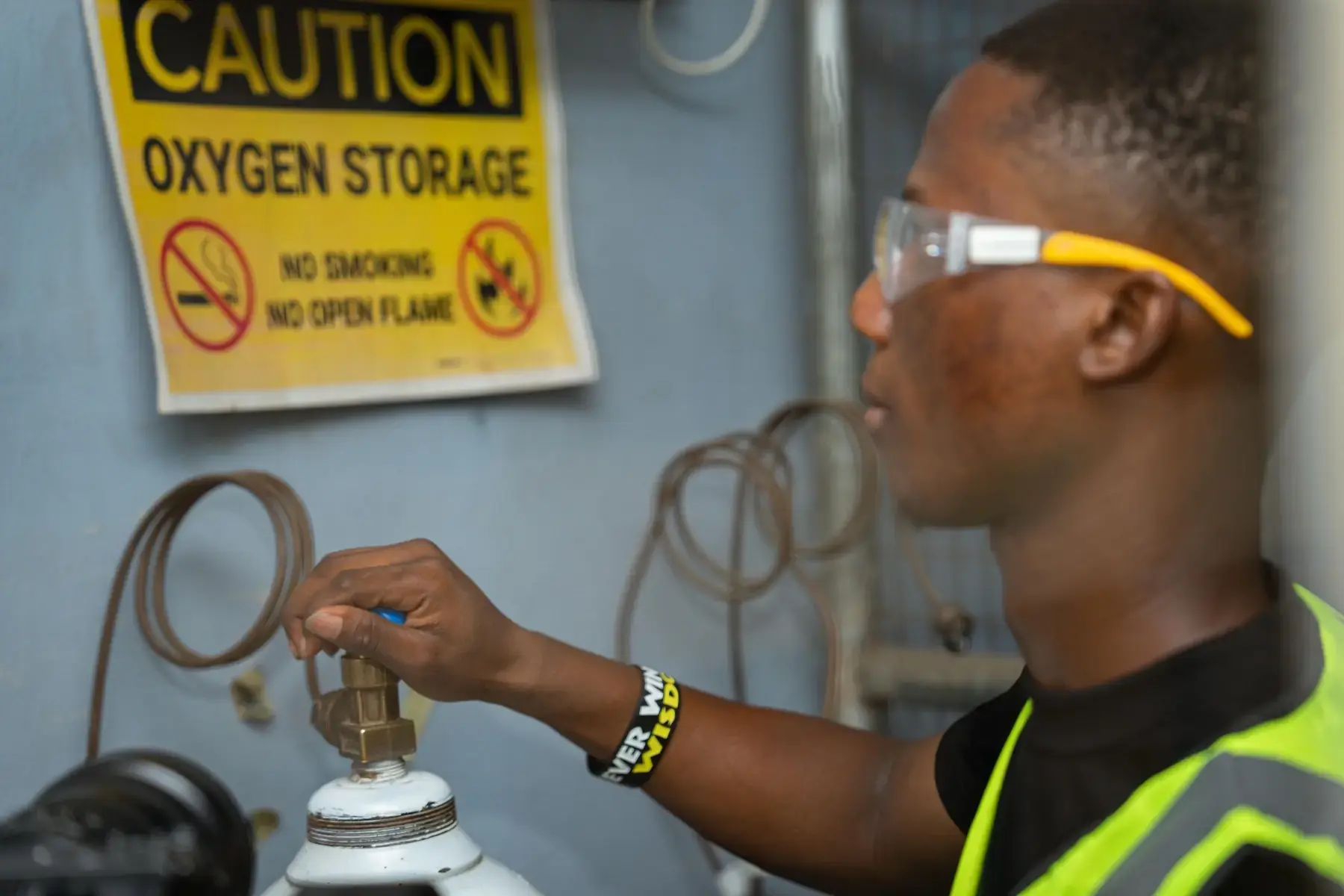
OxyIntel
How OxyIntel is being developed to help hospital teams understand cylinder inventory, oxygen usage, and refill needs.
Read case study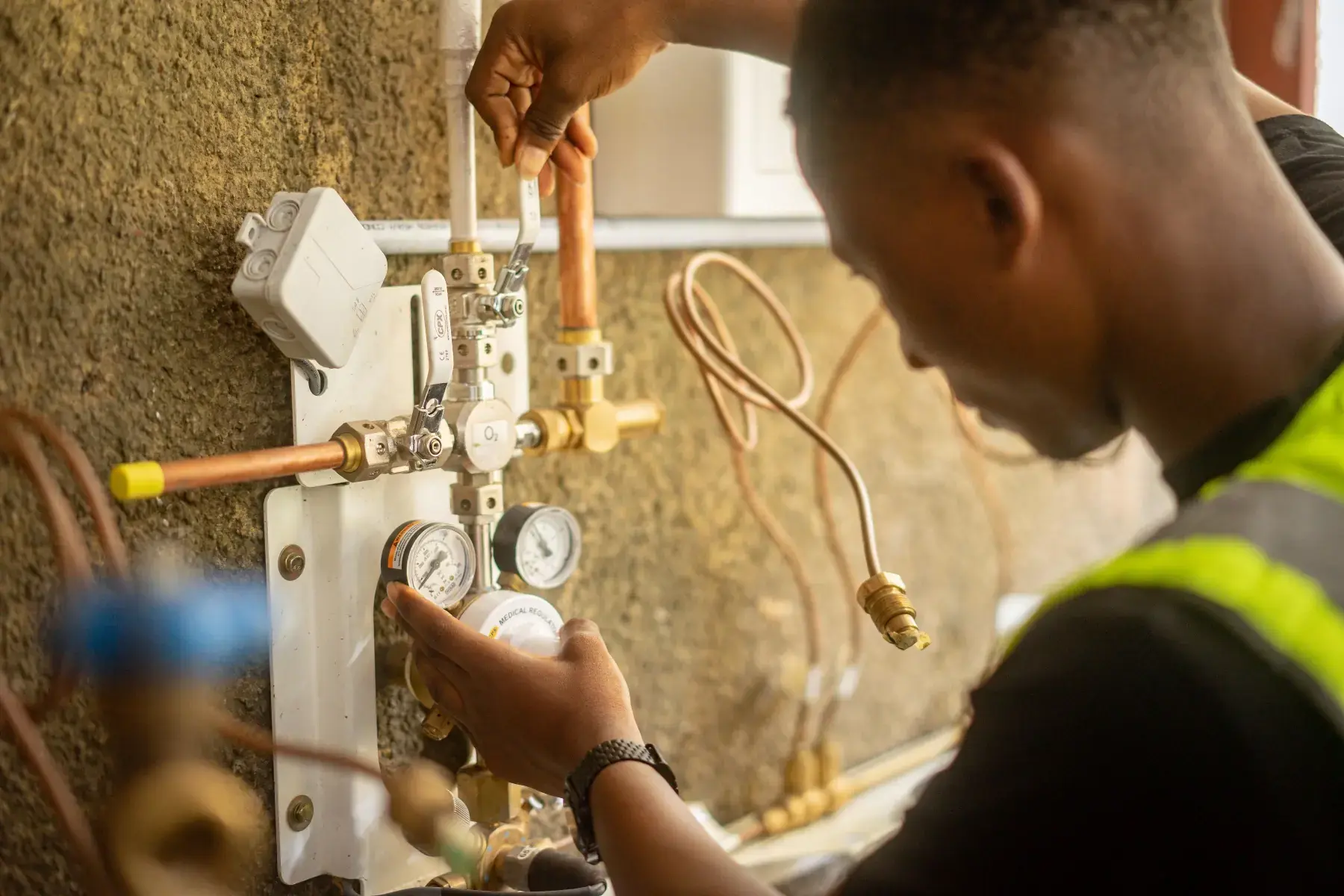
Deployment and piping
At Ajeromi General Hospital, a piped oxygen solution made supply more accessible in connected clinical areas and reduced the need to move cylinders between beds.
Read case study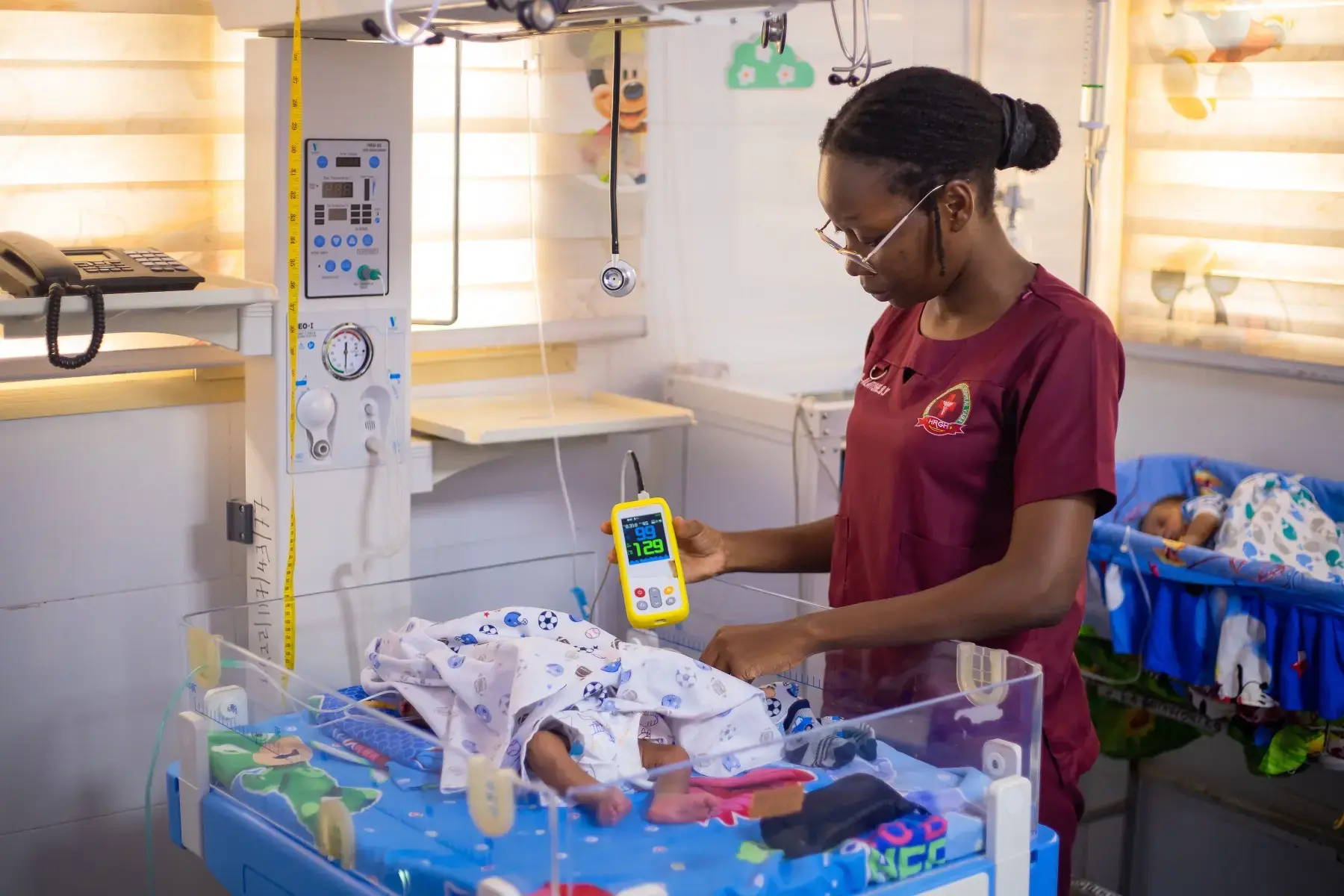
Clinical training
Practical training, structured assessments, and peer-led learning help nurses build confidence in oxygen therapy and pulse oximetry.
Read case study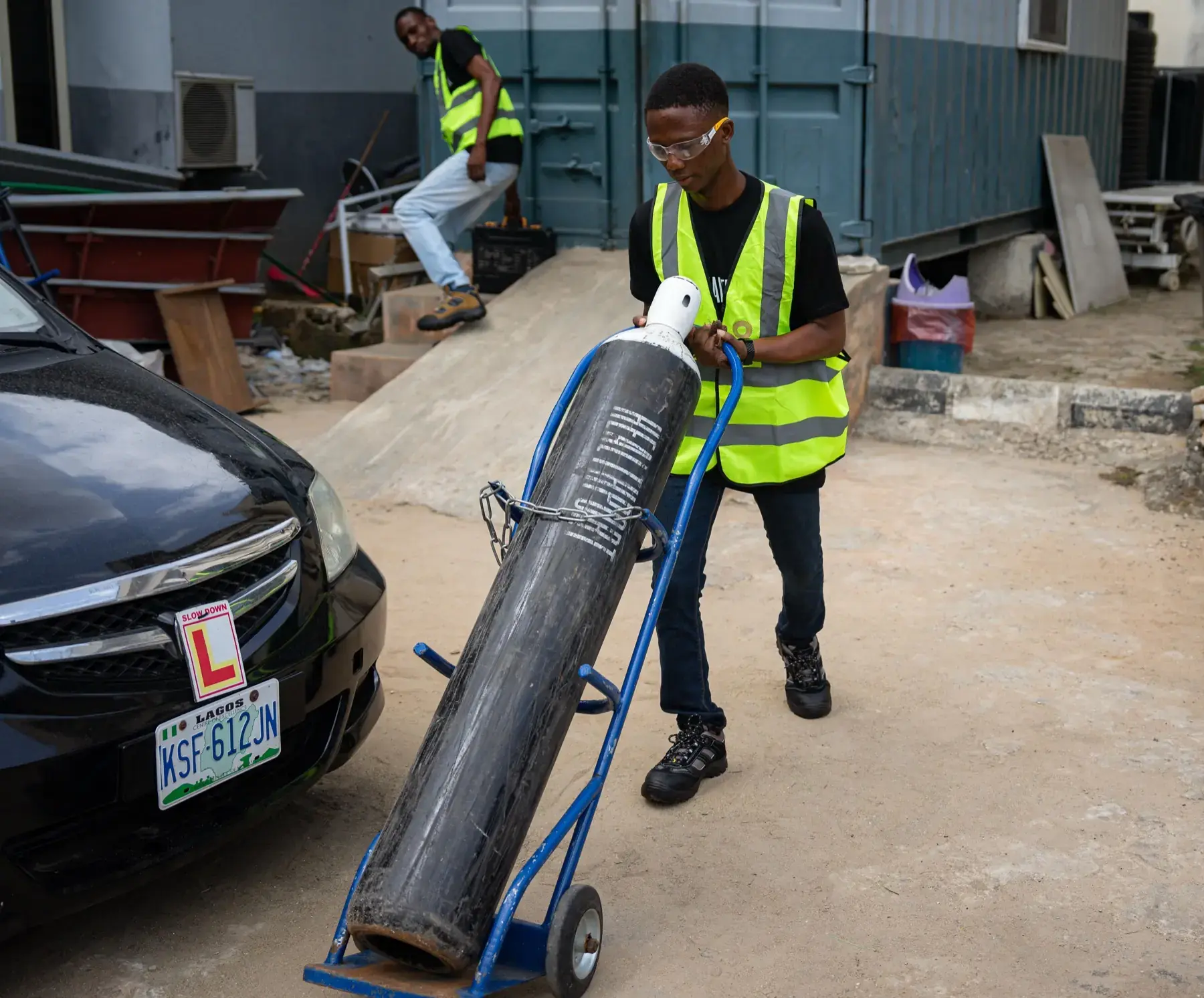
Maintenance and delivery
A same-night oxygen request and a cylinder-gauge concern show how HealthPort follows urgent needs and equipment issues through to a response.
Read case study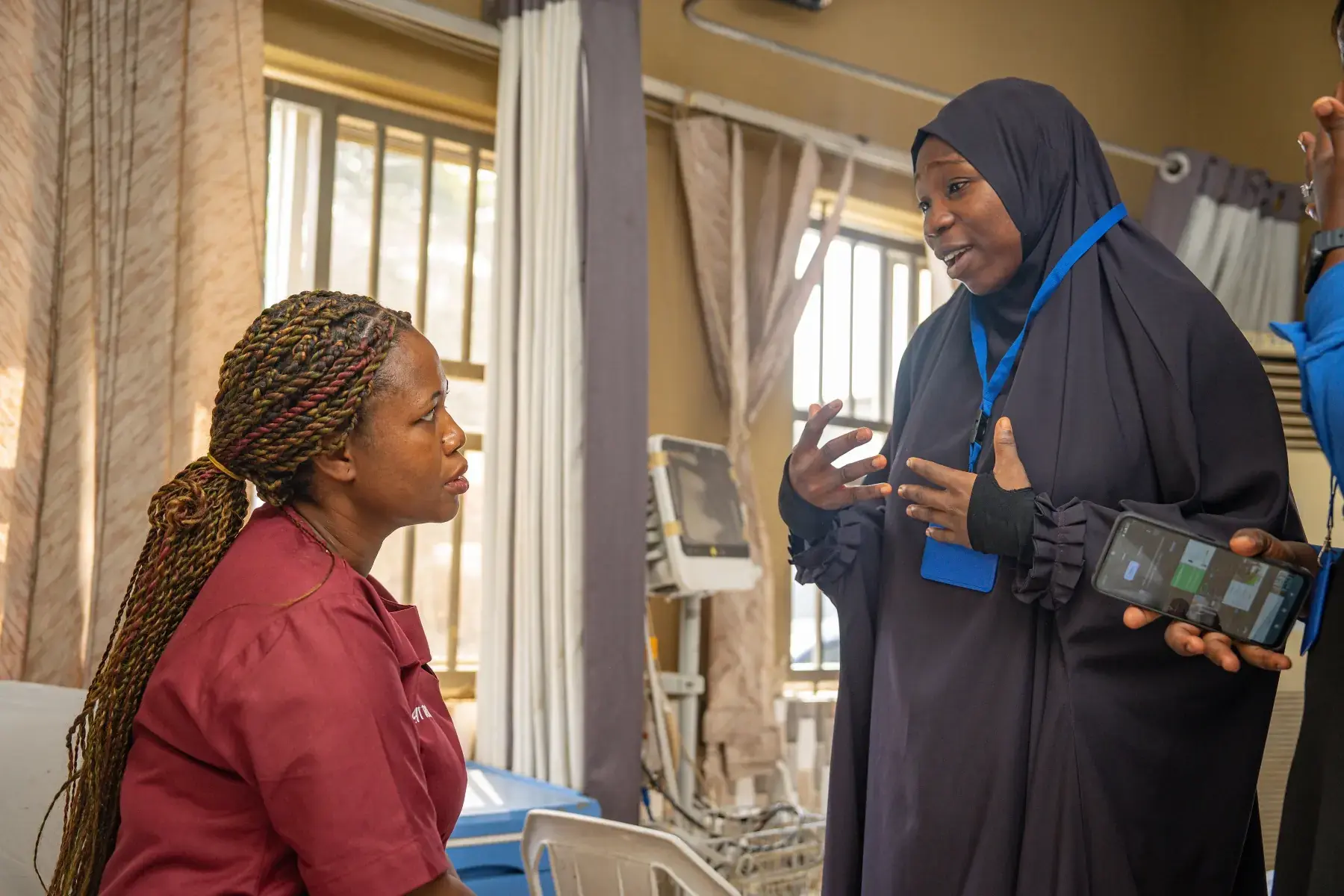
Ongoing partnership
How continued clinical, technical, operational, and finance support helps HealthPort respond as a hospital’s oxygen needs change.
Read case studyOnboarding
A hospital that stops worrying about oxygen.
We understand your facility, current supply arrangements, and where oxygen breaks down for you today.
Our engineers walk your wards, storage, and reticulation. We map demand against capacity.
We propose infrastructure and service terms tuned to your operations. Usage-based commercials.
Cylinders arrive, monitoring is enabled, clinicians are trained, the partnership begins.